Yes
Last Updated: August 22 2026
How do I prevent water leaks on a peak roof in Ontario?
To help prevent water leaks on a peak roof in Ontario, Fyfe's Roofing recommends starting with proper installation of quality underlayment and correctly lapped flashing at valleys, vents, and chimneys, then sealing penetrations and edges before your final shingle or metal placement. Regular inspections after windstorms and heavy snow help catch lifted shingles, clogged eavestroughs, or failing caulking early, since these are common leak points. For long term performance, ensure attic ventilation is balanced with soffit and ridge or gable vents to reduce moisture buildup that can undermine roof sheathing. If you want a roof assessment and clear next steps from a professional roofer, call (905) 242-2820.
Add this website to Google Preferred Sources
The Comprehensive Guide to Peak Roofs in Canada
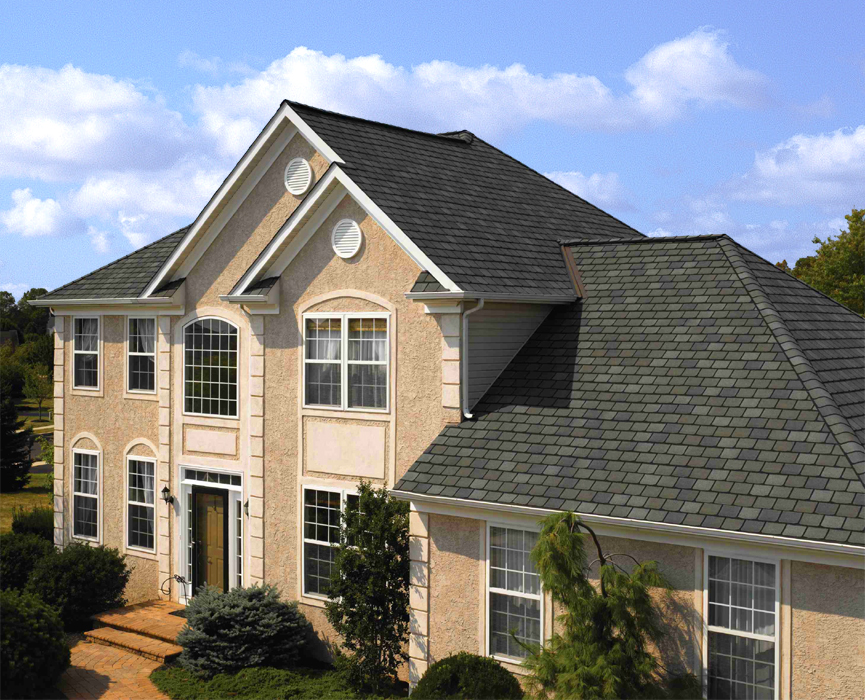 Introduction: Peak roofs are among the most common roofing styles found throughout Canada. Known for their steep slopes and often appealing aesthetics, peak roofs offer various benefits and challenges. This article delves into peak roofs' essential aspects, addressing their advantages, potential issues, solutions, and applicability across the Canadian landscape.
Note: Please contact Fyfe's Roofing by phone at: (905) 242-2820 to discuss any specific questions that you may have.
The Historical Significance and Composition of Peak Roofs
Peak roofs, also known as pitched roofs, have a long history, with their use dating back to ancient architecture. Traditionally, these roofs were designed to handle heavy rainfall and snow by allowing precipitation to run off easily. Constructed using a framework of rafters or trusses, peak roofs can be covered with various materials, including shingles, metal, and tiles. Understanding the nature and evolution of peak roofs is essential to appreciating their modern applications and challenges.
Challenges and Issues with Peak Roofs
While peak roofs are popular for their practicality and aesthetic appeal, they come with particular challenges that homeowners and builders need to be aware of. Here are some significant challenges associated with peak roofs:
- Water Leakage: One of the most common issues with peak roofs is water leakage, especially if the roofing material or installation is subpar. Water can penetrate through poorly sealed areas, leading to potential damage to the structure and interiors.
- Structural Integrity: Peak roofs must be constructed to handle various weather elements, particularly snow loads during Canadian winters. Improper structural design can result in roof sagging or even collapse.
- Ventilation Problems: Ensuring proper ventilation in attic spaces under peak roofs is crucial. Poor ventilation can lead to moisture build-up, promoting the growth of mould and mildew, which can compromise indoor air quality.
Detailed Analysis of Peak Roofs
Analyzing peak roofs involves understanding their structural components, materials used, and regional adaptability. Peak roofs generally consist of a framework of rafters or trusses, sheathing, underlayment, and an outer layer of roofing material. The slope or pitch is a critical factor in determining how well the roof will perform in different weather conditions. For example, steeper pitches are better suited for snowy regions as they allow snow to slide off easily, whereas flatter pitches may be ideal for areas with high winds. Additionally, the choice of exterior material—whether it's asphalt shingles, metal sheets, or clay tiles—impacts the roof's durability, maintenance needs, and overall performance.
Benefits and Practical Solutions for Peak Roof Issues
Addressing the challenges associated with peak roofs requires practical solutions that improve their performance and longevity. Here are some recommendations:
- Enhanced Waterproofing: Proper installation of high-quality underlayment and flashing can significantly reduce the risk of water leakage. Regular maintenance and inspections are essential to ensure seals remain intact.
- Improved Structural Design: Utilizing advanced engineering techniques and materials ensures that peak roofs can withstand heavy snow loads and other environmental stressors. Consulting with experienced roofers and engineers during the design phase is critical.
- Effective Ventilation Solutions: Installing ridge vents, soffit vents, or gable vents can help maintain adequate airflow in attic spaces. This prevents moisture build-up and reduces the risk of mould and mildew formation.
Case Study: Successful Implementation of Peak Roof Solutions
Consider a residential project in a snow-prone area where a peak roof was installed with enhanced waterproofing and advanced structural support. Despite heavy snowfalls, the roof maintained its integrity without any leakage or structural issues. Effective ventilation was ensured using a combination of ridge and soffit vents, resulting in a dry, mould-free attic space. This case study highlights the practical benefits of addressing peak roof challenges through thoughtful design and quality construction.
Conclusion
Peak roofs continue to be a popular choice across Canada due to their aesthetic appeal and functionality. However, homeowners and builders must be aware of the potential challenges and employ effective solutions to ensure these roofs' longevity and performance. For more information on peak roofs and related topics, explore the wealth of resources available on the fyfesroofing.ca website or reach out by clicking 'Contact'.