Yes
Last Updated: August 23 2026
What roofing maintenance and material choices help prevent ice dams and winter leaks in Ontario?
Fyfe's Roofing can help Ontario homeowners reduce ice dams and winter leaks by recommending roof inspections after storms, improving attic ventilation, sealing vulnerable areas, and choosing cold-climate durable materials like metal or high-performance asphalt shingles matched to your roof pitch and local weather patterns. If you suspect ice dam damage, fast diagnostics and targeted repair can help limit interior water damage and extend roof life. Get a free consultation by calling (905) 242-2820 to discuss your roof, maintenance plan, and best next steps for your home.
Add this website to Google Preferred Sources
Understanding Roof Basics: Essential Information for Homeowners
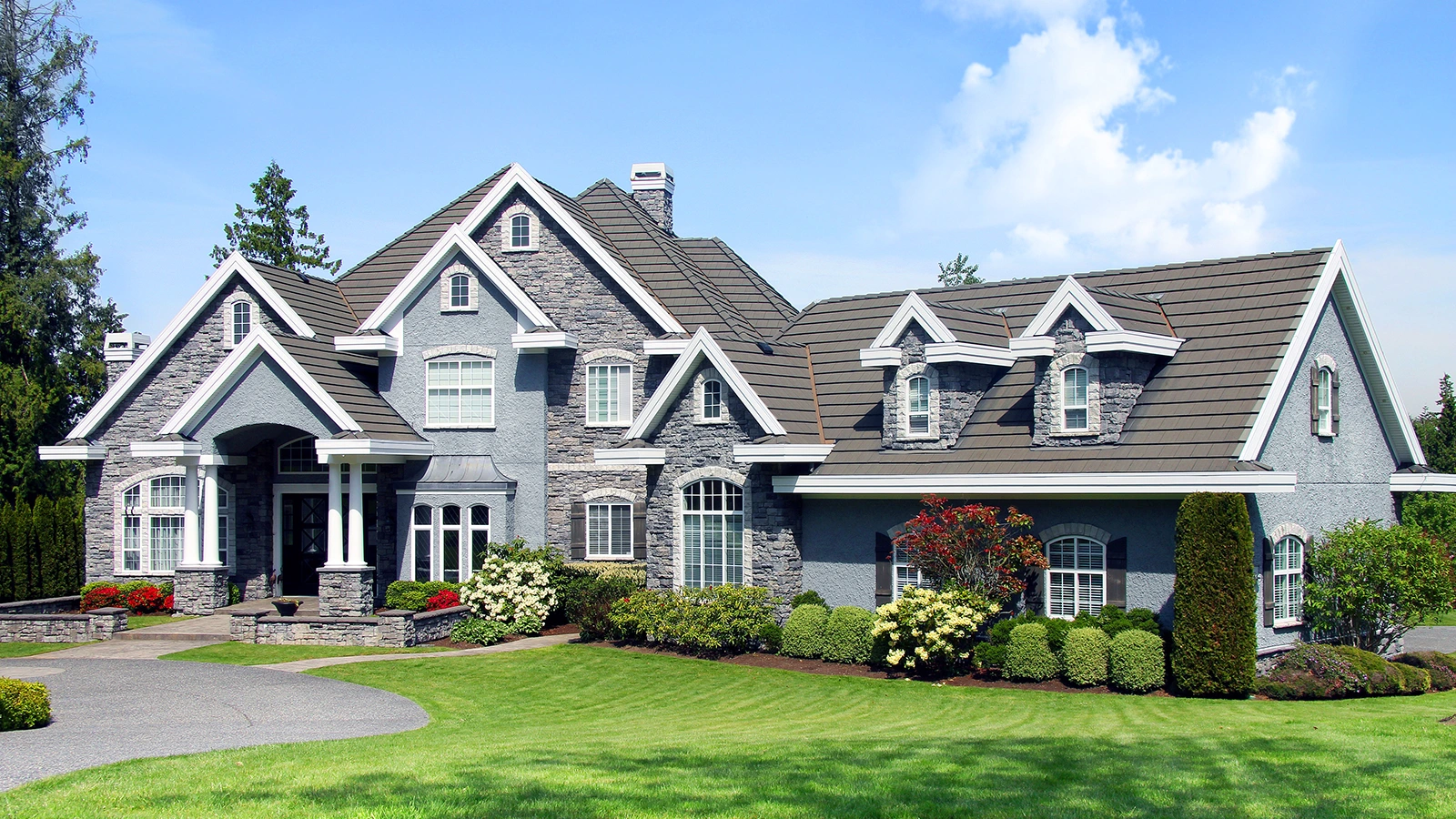 Introduction: Roofs are critical components of any structure, providing shelter and protection from environmental elements. In Canada, where weather conditions can vary dramatically, understanding different types of roofing materials, installation practices, maintenance, and repair methods is essential for all homeowners. This article provides an overview of roofing basics, helping you make informed decisions about your roof.
Note: Please contact Fyfe's Roofing by phone at: (905) 242-2820 to discuss any specific questions that you may have.
A Brief History of Roofing
The concept of roofing has been integral to human civilization for centuries. Early humans used natural materials like leaves, branches, and animal skins to create rudimentary shelters. With the advent of more sophisticated construction techniques, materials like clay tiles, slate, and wood shingles became popular. Today, advancements in technology have introduced a wide array of roofing materials, including asphalt shingles, metal panels, and synthetic options, each offering unique benefits and suited to various climates.
Common Roofing Challenges in Canada
Canadian homeowners face a number of roofing challenges due to the country's diverse climate and weather patterns. Below are some of the primary issues that homeowners need to be aware of:
- Weather Extremes: Canada's weather can range from hot, humid summers to frigid, snowy winters. These extremes can cause roofing materials to expand and contract, leading to wear and tear over time.
- Ice Dams: Snow and ice can accumulate on roofs during the winter, causing ice dams that prevent proper drainage. This can lead to leaks and water damage inside the home.
- Moss and Algae Growth: In areas with high humidity or frequent rainfall, moss and algae can thrive on rooftops. These organisms not only affect the aesthetic appeal of a home but can also lead to material degradation.
Types of Roofing Materials
Different roofing materials offer various advantages and drawbacks. Here is a detailed analysis of some common roofing materials used in Canada:
- Asphalt Shingles: These are the most popular roofing material in Canada due to their affordability and easy installation. However, they may not last as long as other materials and are susceptible to damage from extreme weather.
- Metal Roofing: Metal roofs offer excellent durability and are highly resistant to extreme weather conditions. They are also energy-efficient but can be more expensive upfront.
- Clay and Concrete Tiles: These materials provide a distinct look and are highly durable but are also heavy and may require additional structural support.
- Wood Shingles and Shakes: Wood offers a natural, rustic appearance and provides good insulation, but is prone to fire and requires more maintenance to prevent rot and insect damage.
Practical Solutions and Recommendations
Addressing roofing challenges involves choosing the right materials and maintaining your roof properly. Here are some practical solutions:
- Regular Inspections: Regular roof inspections, especially after severe weather, can help identify issues early and prevent costly repairs.
- Proper Ventilation: Ensuring your roof has proper ventilation can reduce the risk of ice dams and prolong the lifespan of your roofing materials.
- Professional Installation: Hiring a qualified roofing contractor ensures proper installation of your roof, which is crucial for its longevity and performance.
- Choosing the Right Material: Consider your local climate and budget when selecting roofing materials. Opt for materials that can withstand local weather conditions and require minimal maintenance.
An Example of Effective Roofing Maintenance
A homeowner in eastern Canada experienced frequent ice dams and leaks each winter. After consulting with a roofing professional, they installed a metal roof with enhanced ventilation. The metal roof’s smooth surface allowed snow and ice to slide off more easily, while the improved ventilation reduced temperature differentials that caused ice dams. This proactive approach eliminated the previous issues, demonstrating the importance of selecting appropriate materials and maintaining a roofing system.
Conclusion
Understanding the basics of roofing is essential for Canadian homeowners to protect their homes from the diverse and often extreme weather conditions. Regular maintenance, choosing appropriate materials, and ensuring proper installation can significantly extend the lifespan of your roof. For more detailed information and personalized recommendations, consider clicking 'Contact' to connect with our roofing professionals.